
Parliament seeks extra EGP 10B in state asset sales
A parliamentary committee has executed significant modifications to the draft 2026/27 state budget, raising the government’s target for state asset sales by 10 billion Egyptian pounds ($190 million) to offset a staggering debt crisis and fund emergency cash injections into underfunded public healthcare programs.
According to a copy of the Planning and Budget Committee’s report obtained by Al Manassa, the legislative intervention raises projected revenues under Chapter Four of the budget—which covers loan proceeds and asset sales—to 119.2 billion pounds ($2.3 billion).
The adjustment injects an additional 10 billion pounds specifically into the asset liquidation line compared to the original draft proposed by the government.
The legislative push to accelerate the sale of public assets comes as Cairo confronts mounting debt-service obligations that are placing increasing pressure on public finances..
Interest payments alone are projected to swallow a staggering 2.4 trillion pounds ($46.6 billion) in the 2026/27 fiscal year, limiting the government's fiscal flexibility and increasing pressure to raise revenues.
To address persistent criticism from the International Monetary Fund over the sluggish pace of state structural reforms, Cairo has rapidly intensified its controversial privatization drive.
Recent weeks have seen a flurry of activity to meet these external demands, including granting UAE-based Alcazar Energy the concession for the Gabal El-Zeit wind farm, transferring stakes in the military-owned Wataniya fueling stations to TAQA Arabia, and establishing a tentative timeline for the initial public offering (IPO) of state-owned Banque du Caire on the local stock exchange.
To expand social spending, the parliamentary committee authorized an increase of 42.5 billion pounds ($825 million) for “subsidies, grants, and social benefits,” bringing total spending in this category to 874.8 billion pounds ($20 billion).
The bulk of this spending shift was directed into the strained healthcare sector, earmarking an additional 38 billion pounds ($740 million) for universal health insurance, and adding 9.5 billion pounds ($180 million) to the state-funded medical treatment budget. However, to help balance these increases, the committee trimmed other subsidy lines by 5 billion pounds ($97 million).
According to the report, the government will fund these supplementary healthcare expenditures through direct trade-offs: a projected 38 billion-pound increase in tax collections, the 10 billion-pound boost in state asset sales, and 1.5 billion pound ($29 million) in revenues generated from Ministry of Health services.
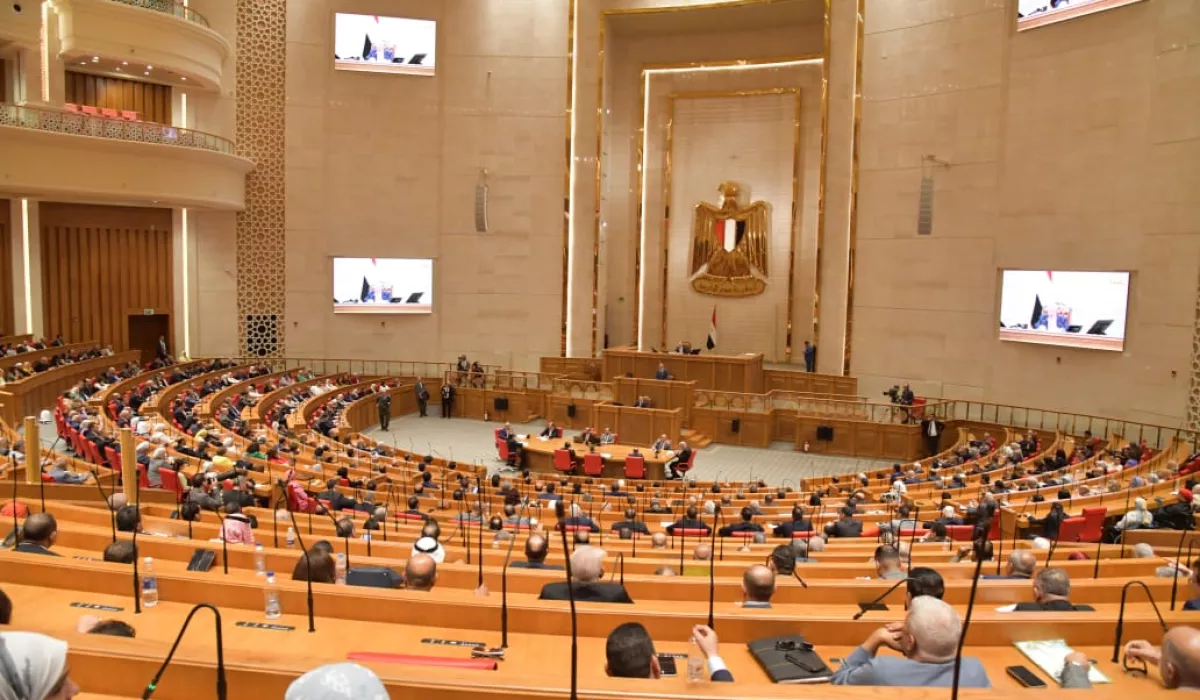
The House of Representatives convened in a plenary session on Monday to debate the committee’s comprehensive report, which covers the socioeconomic development plan, the state budget, and the respective budgets of public economic authorities and the National Authority for Military Production.
During the session, MP Mohamed Soliman, Chairman of the Planning and Budget Committee, explained that the 13-chapter report was drafted under “exceptional circumstances,” reflecting global economic volatility, deep uncertainty, and escalating regional and international conflicts.