Parliament approves €110M wastewater loan despite debt pushback
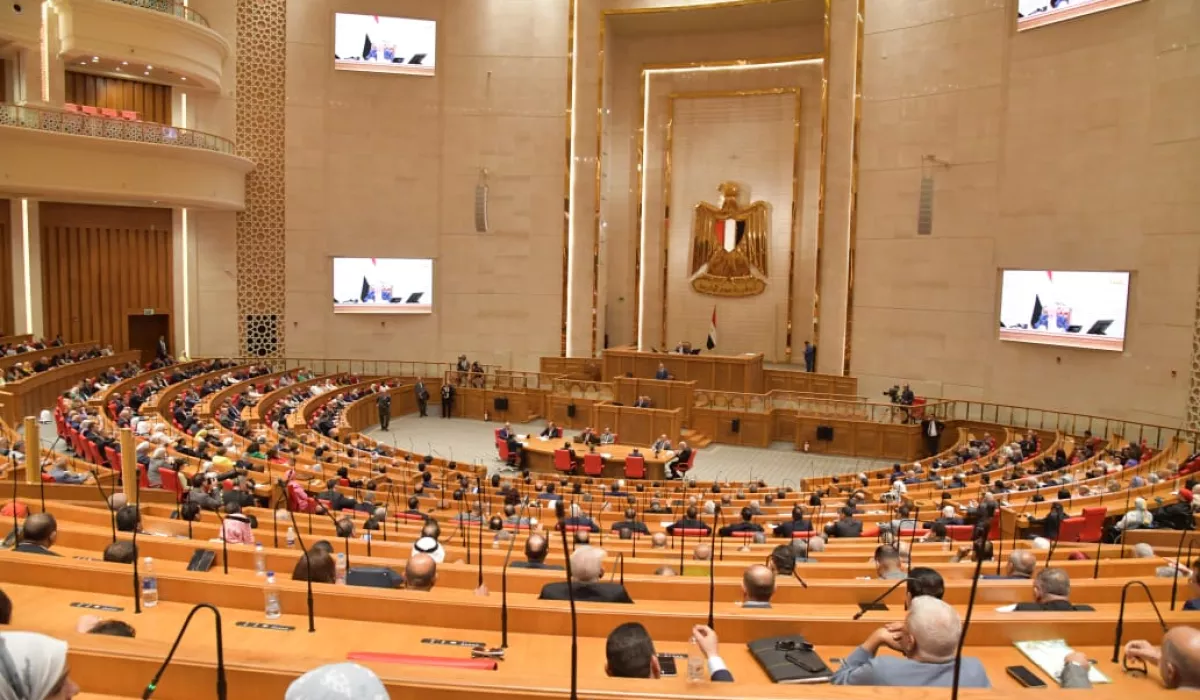
Egypt’s House of Representatives granted final approval on Tuesday to a new 110 million euro loan agreement with the African Development Bank (AfDB) to fund the third phase of the Gabal Al-Asfar wastewater treatment plant expansion, pushing the measure through despite pushback from opposition lawmakers over mounting debt burdens, floating interest rates near 5%, and persistent public-sector mismanagement.
The parliamentary sign-off, approved an accompanying grant valued at 230,000 units of account, an artificial currency basket used by international lenders to cushion exchange-rate swings, worth roughly $300,000. These non-repayable funds are designated for hiring technical experts and consulting engineers to plan and oversee upgrades at the Khanka district plant in Qalyoubia, northeast of Cairo.
The broader project carries a total price tag of 510.3 million euros and aims to lift the facility’s processing capacity to 3.5 million cubic meters per day, theoretically serving 17.5 million residents and providing treated water to irrigate 70,000 acres of agricultural land.
Despite casting an affirmative vote under what he termed water security imperatives, Mahmoud Samy, parliamentary leader of the Egyptian Social Democratic Party (ESDP), voiced sharp concerns over the terms dictated by external creditors.
Samy took aim at what he termed the complexity of the AfDB’s interest structure and its reliance on variable margins communicated to Egyptian authorities every six months.
Samy argued during the floor debate that the effective interest rate on the fresh loan hovered near 5%, an exorbitant pricing model out of step with concessional development financing.
He warned that maintaining these rates means the state will expend roughly 30% of the total principal purely on interest servicing during the six-year grace period before paying down a single installment of the principal debt.
While stressing his party felt forced to consent because of a national water deficit standing at 40 billion cubic meters, Samy insisted the financial toll of such borrowing warrants urgent reassessment.
The critique of sovereign borrowing met broader condemnation of state execution from Hossam Elkhosht, a lawmaker representing the Justice Party, who criticized weak government efficiency in managing sanitation projects across the country.
Elkhosht contrasted the Housing Ministry’s declared expenditure of 365 billion Egyptian pounds on the sanitation sector over the past 12 years with the relentless barrage of briefing requests flooding parliament daily concerning stalled plants and failing networks across governorates.
Elkhosht cited two primary reservations regarding the agreement: the variable interest rate and the fact that Egypt’s cash-strapped state budget must shoulder 66% of the total project cost without any specific government explanation detailing where those funds will be procured. The lack of a clear financing vision, he cautioned, leaves the project vulnerable to halting midway through execution.
The debate escalated into confrontation during a speech by Mohamed Abdel Alim Dawoud, head of the Wafd Party’s parliamentary bloc, who pointed to stalled sanitation schemes in Kafr El-Sheikh and the city of Desouk that have lingered unfinished since before 2011 despite significant capital outlays. Dawoud characterized the absence of sound loan governance as continuous waste of public funds paid for directly by ordinary citizens.
Tensions flared on the assembly floor when Dawoud demanded official accountability, calling for the criminal trial of officials responsible for project stalling. The remark drew an immediate rebuke from Parliamentary Affairs Minister Hani Hanna, who rejected corruption accusations leveled without definitive evidence and demanded the phrase be struck from the record, a request granted by the Speaker of Parliament.
According to a report by parliament’s Housing Committee, the approved 110 million euro financing package splits into an initial tranche of 80 million euros disbursed by the African Development Bank and a second tranche of 30 million euros through the Africa Growing Together Fund, structured across a 23-year maturity timetable that includes a six-year grace period.
Capital-intensive infrastructure undertakings and sustained public spending sprees have pushed Egypt’s external debt to historic peaks in recent years, driving state budget interest expenditures to consume 96% of total public revenues during the opening two months of the current fiscal year.
Against the backdrop of those tightening fiscal pressures, the Finance Ministry reopened previous issuances of dollar-denominated international sovereign bonds totaling $500 million, tapping debt instruments already circulating in secondary markets instead of floating brand-new bonds. Reopening an existing issue involves offering additional quantities of previously issued notes under identical interest rates and maturity dates.
The retapped issuances were split into $150 million worth of notes maturing in 2030 with a three-year tenor, and $350 million of bonds maturing in 2033 carrying a six-year tenor, yielding an average financing maturity of roughly five years. The maneuver allows the government to capture additional dollar liquidity while spreading repayment schedules across staggered maturity brackets.